Water Bottle Machine Embroidery Design Review
First Impressions: Clean, Modern, and Business-Ready
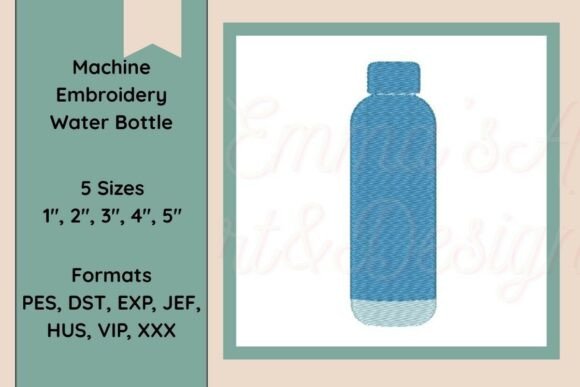
As an embroidery designer evaluating the Water Bottle Machine Embroidery Design, the first thing that stands out is its modern simplicity. The design’s clean lines and minimalist aesthetic immediately suggest a professional, contemporary look—perfect for small businesses looking to elevate their branded merchandise. It feels intentional, not overly decorative, which makes it versatile for a variety of commercial applications.
This design doesn’t scream for attention but instead offers a subtle visual cue that aligns well with brands wanting to communicate freshness, clarity, and approachability. Whether you're running a boutique coffee shop or a handmade soap studio, this design can fit naturally into your visual identity.
Real-World Business Applications
Let’s talk about practical use. The Water Bottle Machine Embroidery Design is a solid candidate for a wide range of business needs. Here's how it holds up across different applications:
- Embroidered Patches: Its clean lines translate well into a patch format, especially for businesses that sell reusable items or eco-conscious merchandise. It reads clearly even at a small scale, making it ideal for sew-on or iron-on patches.
- Staff Uniforms: When stitched onto uniforms, the design offers a modern touch that feels professional without being too flashy. It works well as a chest or sleeve accent for cafes, wellness studios, or boutique shops.
- Cap Embroidery: On caps, the design maintains its shape and readability, especially if resized appropriately. It’s a great choice for summer-themed events or eco-focused branding.
- Tote Bag Design: Applied to tote bags, it enhances the product’s aesthetic while staying true to the brand message. The simplicity of the design ensures it doesn’t overpower the bag’s visual space.
- Apron Embroidery: For kitchen or retail staff, this design can be used to subtly reinforce brand presence without making the garment feel overly promotional.
- Product Packaging Accents: It can be stitched onto reusable packaging or product tags, offering a premium handmade feel that enhances perceived value.
Where to Use It Carefully
While the Water Bottle Machine Embroidery Design is versatile, there are a few situations where extra attention is needed:
- Small Patch Sizes: If you’re planning to use it on tiny patches, test the design at scale. Some lines may close in or lose clarity.
- Curved Surfaces: Caps and bottles with curved surfaces may distort the design slightly. Adjust the hoop size and placement accordingly.
- Textured Fabric: On rougher materials like canvas or thick denim, ensure the stitch density is balanced to maintain detail without puckering.
- Dark Uniforms: Thread color contrast becomes crucial here. Test with light thread on dark backgrounds to ensure visibility.
- Frequent Washing: For uniforms or workwear, consider using high-quality embroidery thread and a secure underlay to prevent fraying over time.
Impact on Brand Identity and Customer Perception
Brand recognition is built on consistency, and the Water Bottle Machine Embroidery Design supports that goal. Its clean, modern look reinforces a brand that values simplicity, sustainability, and professionalism.
When used across different touchpoints—like tote bags, caps, and staff uniforms—it creates a cohesive visual identity. Customers begin to associate that image with your business, increasing trust and familiarity. The design’s subtle elegance also adds a handmade quality that appeals to Etsy sellers, crafters, and boutique brands looking to stand out in a crowded market.
From a merchandising standpoint, this design can increase product value perception. A well-executed embroidered detail suggests quality and attention to detail—both of which are key for small businesses trying to compete with larger retailers.
Designer Notes for Best Results
Before diving into production, here are some practical steps I always take as an embroidery designer:
- Test in Black and White First: This helps evaluate contrast and detail without color distractions.
- Check Small Patch Size Compatibility: Resize it to your smallest intended use and stitch a sample to see how it holds up.
- Review Thread Color Contrast: Especially on dark fabrics, ensure the chosen colors maintain legibility and appeal.
- Inspect Spacing and Stitch Density: Make sure no areas are too dense or sparse, which could affect the finished product’s durability and look.
- Confirm Hoop Size: Match the design to your machine’s hoop capacity to avoid distortion or trimming issues.
- Test on Real Fabric: Always stitch a sample on the actual fabric type you’ll be using for the final product.
- Use Proper Stabilizer: This prevents puckering and ensures clean, even stitches—especially on stretchy or textured materials.
- Create a Printable Mockup: Show clients how the design will look on the finished product using digital mockups before stitching.
- Compare with Other Design Assets: Ensure this embroidery file works alongside your other branding elements for visual consistency.
- Confirm Commercial Licensing: Double-check that the digital embroidery file is cleared for commercial use, especially if you're producing merchandise for resale.
Final Thoughts for Small Business Owners and Embroidery Pros
The Water Bottle Machine Embroidery Design is more than a decorative element—it’s a strategic branding tool. Whether you're creating staff uniforms, boutique merch, or customer gifts, this design offers a clean, professional look that aligns with modern small business values.
For embroidery shops and digital embroidery file buyers, this design is a versatile addition to your asset library. Just remember to test it thoroughly, consider fabric and placement variables, and always align it with your brand’s visual strategy.
Ultimately, the right embroidery design doesn’t just decorate—it communicates. And with the Water Bottle Machine Embroidery Design, your brand can speak clearly, confidently, and consistently across every product and garment you produce.