Cute Cat Playing Embroidery Design Review
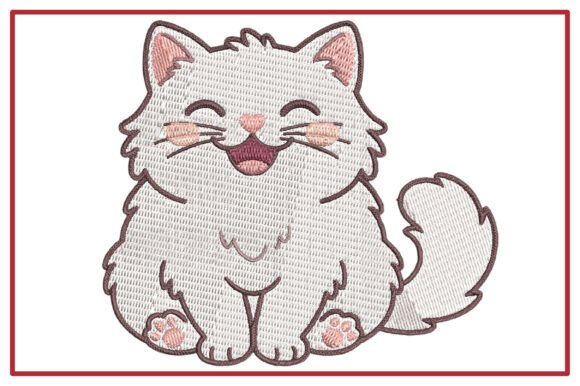
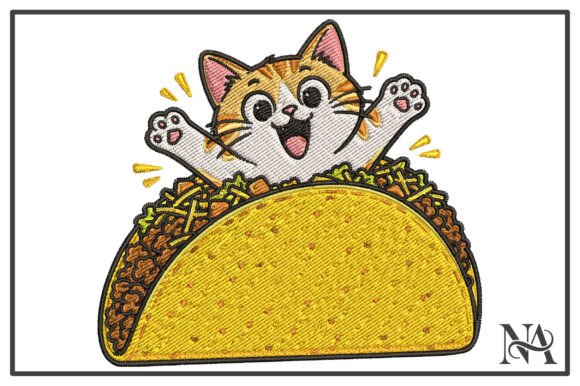
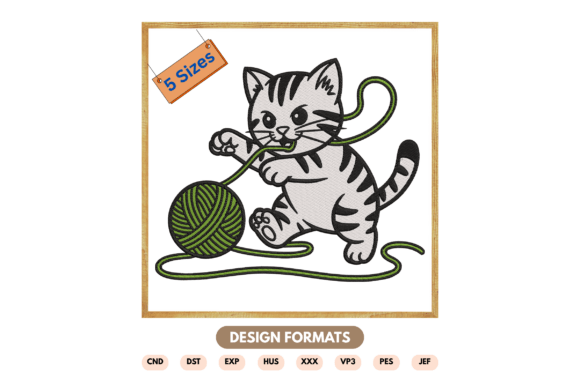
As I prepare my inventory for the upcoming weekend craft fair, I am constantly evaluating which digital assets will translate best into physical sales. When reviewing the Cute Cat Playing Embroidery Design, my immediate assessment focuses on its commercial viability for a handmade booth. This machine embroidery design features an adorable kitten tangled in a ball of yarn, and from a designer’s perspective, it strikes a specific balance between whimsical charm and marketable nostalgia. The first impression is undeniably soft and playful, leaning heavily into the "cozy crafter" aesthetic that performs exceptionally well at artisan markets. It does not feel overly modern or stark; instead, it evokes a sense of warmth that appeals directly to cat lovers and fellow fiber artists who frequent handmade events.
Evaluating Booth Appeal and Product Placement
When setting up a table display, visual hierarchy is everything. Customers scanning a crowded booth need to understand what a product is within seconds. The Cute Cat Playing Embroidery Design succeeds here because the motif is universally recognizable. For my upcoming fair, I have identified three primary categories where this embroidery file will generate the most engagement.
Tote Bags and Market Shoppers
This design is an ideal candidate for a tote bag design. Canvas and linen tote bags are staple items at craft fairs, but they often suffer from generic aesthetics. By placing this kitten motif centrally or as a lower-corner accent, the bag transforms from a utility item into a personality-driven accessory. The playful nature of the yarn tangle mirrors the function of the bag itself, creating a cohesive narrative for the buyer. As an Etsy seller or boutique maker, you can market these specifically to knitters and crocheters who want a project bag that reflects their passion.
Tea Towels and Kitchen Linens
Kitchen textiles are high-volume sellers, but they require careful design selection. This tea towel embroidery works best on lighter-colored, smooth-weave fabrics. The intricate details of the yarn strands need a stable foundation to prevent distortion. In a booth setting, a tea towel featuring this charming kitten serves as an excellent impulse buy. It bridges the gap between functional home goods and decorative art. However, I would avoid using this specific design on dark navy or black towels unless you plan to use a white underlay or outline, as the fine details of the yarn could get lost against a dark background without proper contrast management.
Embroidered Patches and Small Accessories
For smaller price-point items, this design scales down beautifully for an embroidered patch. Patches allow customers to customize their own denim jackets or backpacks without committing to a full garment purchase. Additionally, fabric pouches and zipper cases featuring this motif make fantastic giftable handmade items. These small shop products are perfect for filling gaps in your pricing structure, offering something accessible to younger buyers or those with tighter budgets.
Production Practicality and Batch Efficiency
A beautiful design is useless if it takes four hours to stitch out and ruins half your blanks. From a production standpoint, the Cute Cat Playing Embroidery Design appears to be manageable for batch production, provided you verify the stitch density before committing to a large run. The "tangled yarn" element suggests satin stitches or complex fill patterns. While visually appealing, dense stitch areas can cause puckering on lightweight fabrics if not stabilized correctly.
For commercial embroidery workflows, repeatability is key. This design feels consistent enough to be used across multiple product lines while maintaining brand consistency. If you are creating a capsule collection for your Etsy listings, this motif ties together aprons, pillow covers, and caps without looking repetitive. The theme allows for variation in thread colors; you could offer the yarn in seasonal palettes—pastels for spring, warm oranges for autumn—to keep the finished product fresh throughout the year.
Critical Technical Considerations for Makers
Before loading this digital embroidery file into your machine, there are several technical factors that will determine the quality of your final output. As experienced embroiderers know, the screen view rarely tells the whole story.
- Fabric Texture Compatibility: The fine lines representing the yarn require a smooth surface. Avoid heavy terry cloth or highly textured waffle-weave towels, as the needle penetrations may distort the image. Opt for flour sack cotton or tight-weave canvas.
- Stabilizer Selection: Given the potential density of the yarn ball, use a high-quality cut-away stabilizer for stretchy fabrics like t-shirts or sweatshirts. For woven tote bags, a medium-weight tear-away may suffice, but always test first to ensure the fabric doesn't pull.
- Hoop Size Verification: Check the dimensions of the embroidery file against your available hoops. If resizing is necessary, do so within your digitizing software rather than the machine to maintain stitch integrity. Resizing too drastically can alter the spacing of the yarn strands.
- Thread Contrast: Ensure the thread colors pop against your chosen blank. If stitching on cream fabric, avoid pale yellow or beige threads for the main elements. High contrast ensures the design reads clearly from a distance at a busy craft fair.
- Curved Surfaces: If applying this to caps, be aware that the circular shape of the yarn ball may distort on the curved brim area. This design is likely safer for flat-brim hats or unstructured dad caps rather than structured front panels.
Maximizing Sales Through Presentation
The way you present this design affects its perceived value. For online sales, a printable mockup is essential, but nothing beats photography of the actual stitched sample. Natural lighting highlights the sheen of the rayon or polyester threads, emphasizing the handmade quality. When listing on Etsy, use keywords that bridge the niche: "cat mom gift," "knitting accessories," and "cute animal embroidery."
In a physical booth, display the Cute Cat Playing Embroidery Design at eye level. Group similar items together to create a visual block of color and theme. If you have apron embroidery samples, hang them on a rack rather than folding them flat so customers can see the drape and placement. Engagement increases when customers can visualize the item in their own lives. Consider having a small sign explaining that each item is stitched in-house; this reinforces the artisan value over mass-produced alternatives.
Designer Notes for Safe Commercial Use
Finally, a note on due diligence. Always confirm the commercial licensing terms included with your purchase before selling any finished product. Some designers restrict the number of units you can produce or prohibit the sale of digital files themselves. Protect your business by adhering to these terms.
I strongly advise stitching out at least one real mockup on your intended sellable blank before the fair. Inspect the registration, check for jump stitches that need trimming, and verify that the smallest details remain legible. Compare different fabric colors side-by-side to see which makes the kitten stand out most effectively. By treating the Cute Cat Playing Embroidery Design with professional scrutiny rather than just creative enthusiasm, you ensure that every item on your table represents the highest standard of craftsmanship. This attention to detail is exactly what separates successful craft fair vendors from hobbyists, turning a cute digital file into a profitable, repeatable product line that delights customers and builds your brand reputation.