Indoor Plant Lady Embroidery Design Review
As an experienced embroidery designer preparing for a weekend craft fair, I approach every new digital asset with a critical eye. My goal is not just to stitch something pretty, but to create a craft fair product that sells. When evaluating the Indoor Plant Lady Embroidery Design, specifically the hanging cactus flower variation, I am looking for versatility, production efficiency, and shelf appeal. This review breaks down how this specific cross stitch pattern translates from a digital PDF into tangible, profitable handmade goods for Etsy sellers and boutique makers.
First Impressions: Modern Botanical Appeal
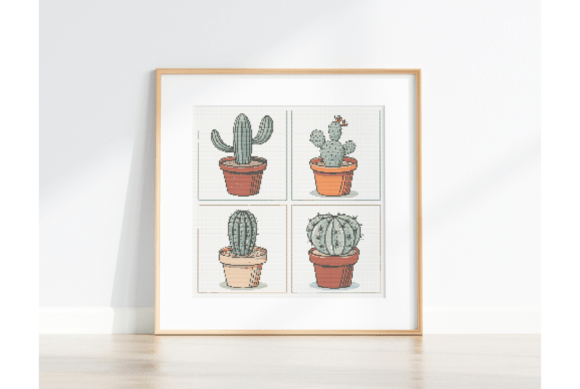
The Indoor Plant Lady Embroidery Design immediately strikes a balance between modern minimalism and cozy cottagecore aesthetics. For a handmade product lineup, this is a sweet spot. The imagery of a hanging cactus suggests vertical interest, which is crucial when designing for items like tote bags or aprons where horizontal space is often limited by seams or pockets. The "Plant Lady" theme resonates deeply with current market trends, appealing to millennials and Gen Z buyers who identify as plant parents.
Visually, this design feels organic yet structured. Unlike dense, traditional floral machine embroidery designs, a cross stitch pattern converted for fabric application offers a unique texture. It reads as intentional and artisanal rather than mass-produced. For a booth display, this design promises to add a soft, inviting element that contrasts well with harder goods like ceramics or metal planters. It feels premium because of its specificity; it isn't just a generic flower, it is a curated lifestyle aesthetic.
Best Applications for Market Products
Determining where the Indoor Plant Lady Embroidery Design performs best requires understanding the interplay between the graphic and the substrate. Based on the vertical nature of a hanging cactus motif, here is my assessment of top-performing products:
- Tote Bag Design: This is arguably the strongest application. Canvas totes provide a stable, flat surface ideal for replicating the grid-like precision of cross stitch graphics. The vertical orientation of the hanging plant fits perfectly in the center panel without distortion.
- Tea Towel Embroidery: Kitchen textiles are high-volume sellers. The botanical theme aligns naturally with kitchen decor. However, because this is a digital cross stitch pattern, ensure the linen count matches your intended stitch size to maintain clarity.
- Apron Embroidery: Placing the design on the bib or lower pocket of an apron creates a focal point. The "Plant Lady" identity works exceptionally well for gardeners or florists shopping at markets.
- Embroidered Patch: Creating standalone patches allows customers to customize their own denim jackets or caps. This turns one digital embroidery file into multiple revenue streams.
- Fabric Pouches: Small zipper pouches for seeds, tools, or cosmetics are excellent impulse buys. The design scales down effectively for these small shop products.
Production Practicality and Booth Strategy
For commercial embroidery and batch production, time is money. Cross stitch patterns, by definition, can be stitch-intensive. Before committing to a full production run for the craft fair, I evaluate the stitch density. If the Indoor Plant Lady Embroidery Design relies on solid fill areas to mimic cross stitch blocks, it may take longer to run than a line-art botanical. However, the trade-off is perceived value. Customers recognize the effort involved in dense stitching and are often willing to pay a premium.
From a sales perspective, this design photographs beautifully. The distinct shapes and likely high-contrast thread colors make for excellent printable mockups and Etsy listing photos. In a physical booth, items featuring this design should be displayed at eye level. The recognizable silhouette of a cactus grabs attention from a distance, while the intricate stitch detail invites closer inspection. This dual-layer engagement is key to converting browsers into buyers.
Critical Technical Considerations
While the Indoor Plant Lady Embroidery Design is visually appealing, technical execution determines whether it becomes a finished product or a wadded-up test piece. As this is a digital cross stitch pattern in PDF format, users must verify compatibility before production.
Fabric Texture and Stabilizer
Cross stitch aesthetics rely on precision. Stitching on textured towels or uneven weave fabrics can distort the grid alignment. Always use appropriate stabilizer. For tea towels, a tear-away backing combined with a water-soluble topping prevents stitches from sinking into the terry cloth. For canvas tote bags, a medium-weight cutaway ensures the dense design does not pucker the fabric over time.
Size and Clarity
Be cautious when resizing. Reducing a cross stitch design too much can cause individual stitches to merge, losing the pixelated charm that defines the style. Conversely, enlarging it excessively without adjusting thread tension can lead to gaps. Test the design at your intended size on scrap fabric first. Confirm the hoop size accommodates the full design plus adequate margin for stabilization.
Thread Contrast and Color Matching
The success of the Indoor Plant Lady Embroidery Design hinges on color definition. A green cactus on green fabric will disappear. Select thread colors that offer sufficient contrast against your chosen blanks. For dark fabrics, consider outlining elements with a lighter shade to maintain visibility. Remember that thread sheen affects perception; matte threads often suit cross stitch styles better than high-sheen rayon, reinforcing the handmade aesthetic.
Designer Notes for Commercial Success
Before listing any item made with this design, professional due diligence is required. Since the product specifications state this is a digital PDF only, you must confirm if the license permits selling finished physical products. Never assume commercial rights are included with design assets. Respecting intellectual property protects your business reputation.
Create at least one real sample before the fair. Digital mockups are useful for online listings, but craft fair customers want to touch the texture. Inspect the back of your sample; messy jump stitches or excessive bobbin thread indicate digitizing issues that need correction. A clean back signifies quality craftsmanship.
Finally, consider bundling. Pair a tea towel featuring the Indoor Plant Lady Embroidery Design with a small succulent or a packet of cactus seeds. This transforms a simple textile into a thematic gift set, increasing average order value. Whether you are an Etsy seller optimizing keywords or a market vendor arranging a table, this design offers strong potential when executed with technical care and strategic merchandising.
By treating the Indoor Plant Lady Embroidery Design as a component of a larger business strategy rather than just a pretty picture, you maximize its ROI. Check your file formats, test your stabilizers, and verify your licensing. With these steps completed, this charming botanical motif can become a staple in your handmade product rotation, delighting plant lovers and driving sales at your next event.