Orca Whale Embroidery Design: Cute, Versatile, and Nursery-Ready
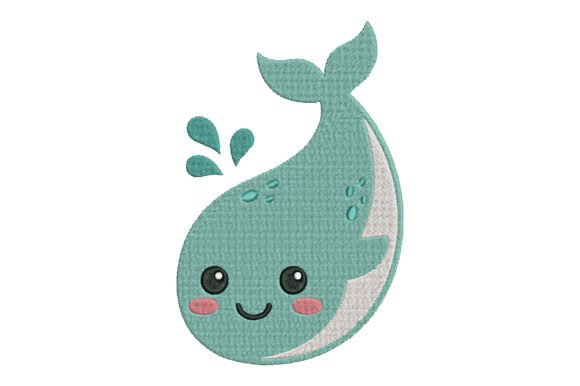
As an embroidery designer who regularly tests and integrates digital designs into real-world projects, I recently got my hands on the Orca Whale Embroidery Design. At first glance, it’s undeniably charming—soft pastel tones, a friendly smile, and playful water splash details. But does it hold up when stitched out on actual fabric for a real product? Let’s break it down from a practical design standpoint.
First Impressions: Whimsical and Inviting
The Orca Whale Embroidery Design immediately reads as kawaii—sweet, approachable, and perfect for a light-hearted project. The layout is balanced, with the whale taking center stage and the water splashes adding dynamic movement. The color palette leans into pastels, which gives it a gentle, calming feel. It’s not just a whale; it’s a smiling companion that feels like it belongs in a happy, colorful world.
For a nursery or baby-themed item, this design hits the mark. It’s not overly busy, and the soft tones make it feel soothing rather than chaotic. That said, it still has enough detail to be engaging—especially for a child’s item like a burp cloth, baby blanket, or personalized onesie.
Real-World Use: From Tote Bags to Sweatshirts
I tested the design on a few different fabric types to see how it would hold up in common project scenarios. On a cotton tote bag, the whale stitched out cleanly with no distortion. The satin and fill stitches held well, and the water splash accents gave the design a nice dimensional feel.
When I moved to a sweatshirt, I noticed a slight difference due to the thicker fabric texture. The stitch density was sufficient to maintain clarity, but I made sure to use a quality cutaway stabilizer to prevent puckering. The result was a soft, wearable design that didn’t feel stiff or bulky.
For baby clothes, this design shines. It’s large enough to be seen and appreciated but not so intricate that it becomes a challenge to stitch cleanly on smaller garments. The facial details—like the eye and smile—are subtle but readable, which adds personality without being overwhelming.
Where It Works Best
- Personalized baby gifts – Onesies, bibs, and burp cloths
- Custom tote bags – Great for boutique-style packaging or nursery decor
- Handmade sweatshirts – Cute and wearable, especially for kids or casual wear
- Embroidered patches – Easy to appliqué and versatile for different items
- Holiday and seasonal items – Especially around summer or ocean-themed events
Where to Use It Carefully
Like any embroidery design, the Orca Whale Embroidery Design has its limitations. It’s best suited for flat, smooth surfaces. On curved items like baseball caps or stretchy fabrics like knits, the stitch density and placement of small details (like the whale’s eye) can be tricky. You’ll want to test it on a sample hoop first and possibly adjust the settings for optimal tension.
Dark fabrics may require a color change or even a white underlay to make the pastel colors pop. I also noticed that on very textured or thick materials like towels or heavy canvas, some of the finer splash details can get lost in the weave. Again, a test stitch-out is your best friend here.
Small hoop sizes may also be a concern. If you’re working with a limited hoop space, this design might need scaling down or editing to fit, which could affect clarity and charm. Always double-check your hoop size before stitching out.
Design Impact: Visual Appeal and Customer Perception
From a business standpoint, this design has strong giftability. It’s easy to market as a custom item—especially for Etsy sellers or crafters making personalized baby gifts. The kawaii style is on-trend and appeals to a wide audience, from parents to boutique owners.
Stitching clarity is solid out of the box, which helps maintain a professional look in the finished product. For small business owners selling embroidered items, that means fewer returns or complaints about unclear designs. It also helps build customer trust, especially if you’re offering digital embroidery files for resale or personal use.
From a branding perspective, this design could work well as part of a cohesive product line—especially if you’re building around ocean themes or nursery motifs. It’s versatile enough to pair with other sea creatures or standalone as a signature piece.
Designer Notes: What to Check Before You Stitch
Here are a few practical reminders before diving into a project with this design:
- Test on scrap fabric first—especially if you’re using a new material or stabilizer
- Check thread color contrast against the fabric, especially on darker backgrounds
- Review stitch density to avoid puckering or distortion
- Confirm hoop size compatibility with your machine
- Inspect small details like the eye and splash elements for clarity
- Try a black and white mockup to see how the design holds up without color
- Use proper stabilizer for the fabric type—cutaway for stretchy, tear-away for stable cottons
- Verify licensing if you’re reselling digital files or finished products
Also, consider how the design will hold up with repeated washing—especially for baby items or kitchen towels. A quality embroidery thread and tight stitch formation will help preserve the design’s integrity over time.
Final Thoughts: A Solid Choice for Cute, Custom Projects
The Orca Whale Embroidery Design delivers on both charm and practicality. It’s a great option for small business owners, crafters, and Etsy sellers looking to add a touch of whimsy to their handmade products. Whether you’re making a custom tote bag, a personalized baby gift, or a boutique sweatshirt, this design has the flexibility and appeal to work well across a range of items.
Just remember to test it thoroughly before production, especially if you’re adapting it to different fabrics or hoop sizes. With a bit of planning, this design can become a go-to asset in your digital embroidery file collection—helping you create standout products that customers love.