Sphinx Machine Embroidery Design: A Gothic Cat Review
As a professional embroidery designer who frequently sources files for commercial projects, I approach every new download with a critical eye. When browsing Creative Fabrica embroidery collections, it is easy to be swayed by on-screen renderings, but the true test lies in how a digital embroidery file translates to physical thread and fabric. Recently, I evaluated the Sphinx Machine Embroidery Design for a potential line of gothic-inspired custom apparel and home decor. This review details my honest assessment of this stylized cat design, focusing on its technical performance, aesthetic versatility, and suitability for real-world handmade products.
First Impressions: Gothic Aesthetics Meets Technical Structure
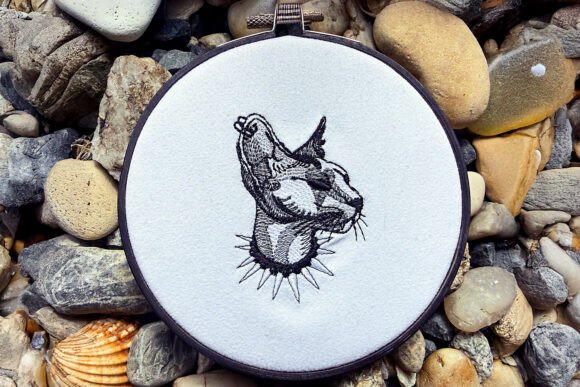
The Sphinx Machine Embroidery Design immediately distinguishes itself from standard pet portraits. While many cat embroidery designs rely on soft, fluffy textures, this file embraces a dark, gothic-inspired aesthetic that feels intentional and mature. The visual mood is bold, utilizing clean linework combined with dense stitching to create a textured result that stands out against both light and dark backgrounds. For designers targeting niche markets like alternative fashion or mystical home decor, this stylistic choice is a significant asset.
From a digitizing perspective, the balance between decorative appeal and structural integrity is crucial. Upon inspecting the file, the combination of satin stitch outlines and strategic fill stitch areas suggests a design meant to hold its shape. The linework is not merely decorative; it serves as a containment field for the denser sections, which is essential when embroidering on stretchy fabrics like sweatshirt fleece or jersey knits. This attention to detail in the digitizing process gives me confidence that the design will not distort excessively during production.
Performance on Custom Apparel and Tote Bags
I considered this Sphinx Machine Embroidery Design specifically for a batch of black canvas tote bags and heavyweight cotton sweatshirts. In these applications, the design’s density becomes its greatest strength. On a tote bag design, the bold texture provides a tactile quality that elevates the finished product above mass-printed alternatives. The dense stitching ensures the image remains crisp even after repeated use and washing, which is a non-negotiable factor for commercial embroidery intended for retail sale.
For sweatshirt embroidery, the challenge often lies in preventing puckering around detailed areas. Because this design features clean linework rather than overly complex micro-details, it accommodates the natural stretch of knit fabrics well. However, because the description notes dense stitching, using the correct stabilizer is mandatory. I recommend a medium-weight cut-away stabilizer for sweatshirts to support the stitch count without adding excessive bulk. On lighter woven fabrics, such as those used for aprons or kitchen towels, a tear-away might suffice, but always test first to ensure the fabric can handle the tension.
Navigating Hoop Sizes and Fabric Limitations
One practical consideration for any machine embroidery design is hoop size compatibility. Before purchasing or stitching, you must verify the specific dimensions listed on the Creative Fabrica product page. If you plan to use this for small items like caps or baby blankets, confirm that a resized version maintains legibility. Reducing a dense design too much can cause thread breaks or needle damage, while enlarging it may expose gaps in the fill stitch if the original digitizing did not account for scaling.
When working with textured fabrics or dark materials, thread colors play a pivotal role in the final presentation. The gothic nature of this Sphinx design lends itself beautifully to high-contrast threads. Metallic silver, deep crimson, or antique gold running stitch accents can enhance the mystical vibe. Conversely, using low-contrast threads on dark fabric may cause the intricate details to get lost. Always compare light and dark fabric mockups before committing to a production run. For curved surfaces like caps, ensure the design’s center point aligns with the cap’s crown to prevent distortion of the sphinx’s symmetry.
Elevating Product Value and Buyer Trust
In the competitive landscape of Etsy sellers and handmade shop owners, presentation dictates perceived value. A professionally stitched Sphinx Machine Embroidery Design signals quality craftsmanship to potential buyers. The "bold, textured result" mentioned in the product description translates to a premium feel in hand. Customers are more likely to trust a listing where the embroidery looks substantial and deliberate rather than flat or sparse.
This design also offers excellent versatility for creating cohesive brand assets. You could use the full design for a centerpiece on a pillow cover or jacket back, while utilizing elements of the linework for smaller tags or sleeve cuffs. This consistency helps build brand recognition. Furthermore, because the aesthetic is distinct, it photographs exceptionally well. High-contrast, textured embroidery catches studio lighting effectively, making your printable mockup or product photography pop in social media feeds and marketplace search results.
Critical Pre-Stitch Checklist for Commercial Use
Before integrating this embroidery file into your commercial workflow, adhere to these practical steps to ensure success and protect your business reputation:
- Verify Licensing Terms: Always review the specific license on the Creative Fabrica product page. Confirm whether you have the rights to sell finished physical products or if the license restricts usage to personal projects only.
- Test on Scrap Fabric: Never stitch directly onto a sellable item without a test run. Use scrap material identical to your final product to check for registration issues, thread tension, or stabilizer adequacy.
- Inspect Small Details: After stitching your sample, examine tiny lettering or fine linework closely. Ensure they are legible and secure. If details are lost, consider editing the file or selecting a larger hoop size.
- Check Thread Color Contrast: View your test stitch under various lighting conditions. What looks good in daylight might disappear under indoor retail lighting.
- Confirm File Compatibility: Ensure the digital embroidery file format matches your machine’s requirements before starting. While most platforms offer multiple formats, double-checking prevents mid-production headaches.
- Evaluate Washability: If selling baby items, kitchen towels, or custom apparel, wash and dry your test sample to ensure the dense stitching holds up and does not cause fabric warping.
Final Thoughts for Makers and Sellers
The Sphinx Machine Embroidery Design represents a strong option for creators looking to diversify their catalog beyond traditional cute animal motifs. Its gothic-inspired aesthetic fills a specific niche that is currently trending in alternative fashion and dark academia decor. The technical execution, characterized by clean linework and purposeful density, suggests it will perform reliably across various substrates, from sturdy tote bags to softer apparel.
However, success with this design depends on respecting its technical requirements. It is not a "set it and forget it" file; it demands proper stabilization and thoughtful color selection to truly shine. For Etsy sellers, boutique merchandise creators, and craft fair vendors, this design offers a pathway to creating unique, high-value handmade products that resonate with a specific audience. By treating this embroidery file as a professional tool rather than just a digital download, you can leverage its bold character to enhance your product line and engage customers seeking distinctive, quality craftsmanship. Always prioritize testing and verification to ensure your finished product meets the high standards your customers expect.